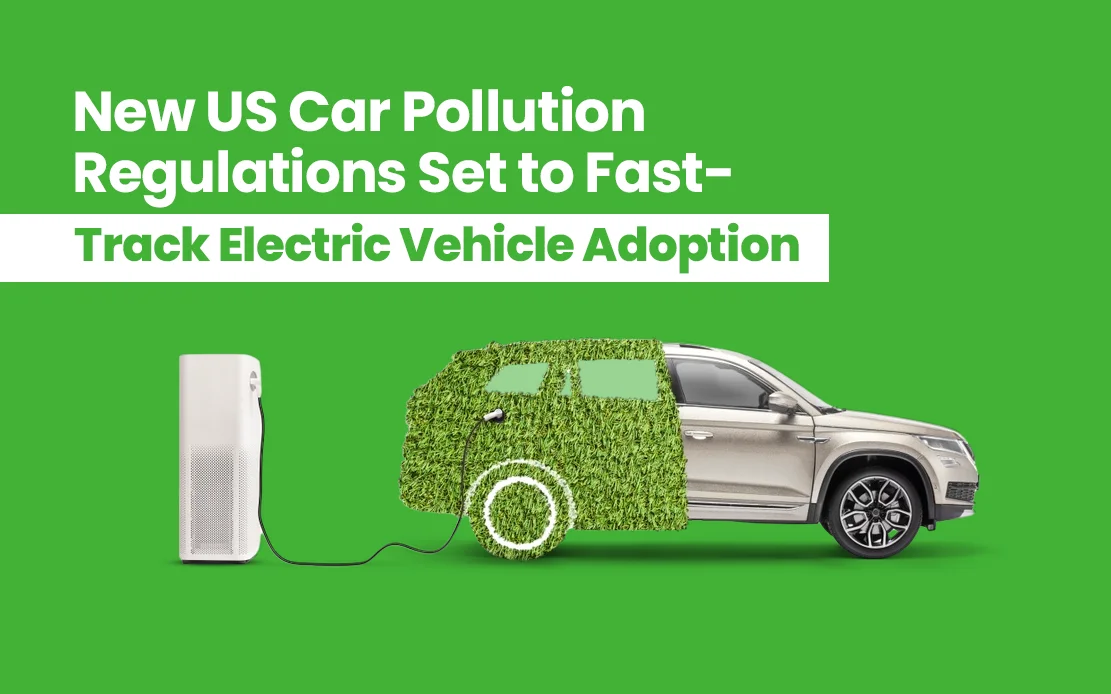
The landscape of transportation and environmental policy is shifting dramatically. In a landmark legislative move, the United States has introduced stringent car regulations designed to slash tailpipe emissions and accelerate the transition toward clean mobility. As debates surrounding us car regulations intensify, lawmakers, environmental agencies, and automotive industry leaders are fiercely clashing over the speed and feasibility of these mandates, raising questions about grid readiness and economic impacts.
Core Framework of the New Vehicle Policy
While critics argue that these measures fall slightly short of past aggressive proposals, supporters hail the new vehicle policy as a vital step forward. At the core of this initiative is a framework established by the US Environmental Protection Agency (EPA), targeting an ambitious electric vehicle adoption rate between 30% and 56% by the timeframe outlined around the electric car law 2030 milestones and early 2032 targets. You can read more about federal emissions guidelines directly on the Official EPA Regulations Portal.
| Regulatory Focus | Projected Target / Impact |
|---|
| EV Adoption Goal | 30% to 56% targeted conversion rate between 2030 and 2032. |
| Emission Reduction | Slash over 7 billion tons of climate pollution nationwide. |
| Societal Savings | Nearly $100 billion in annual net benefits, including reduced fuel and maintenance costs. |
Addressing the Climate Crisis: What is Being Done About Global Warming?
As policymakers ponder what is being done about global warming, transportation remains a primary target since it represents the largest source of domestic climate emissions. Highlighting the administration's vision for a green car policy, EPA Administrator Michael Regan emphasized the weight of these mandates:
“With transportation as the largest source of US climate emissions, these strongest-ever pollution standards for cars solidify America’s leadership in building a clean transportation future and creating good-paying American jobs, all while advancing President Biden’s historic climate agenda.”
He added, “The standards will slash over 7 billion tons of climate pollution, improve air quality in overburdened communities, and give drivers more clean vehicle choices while saving them money.”
Industry Pushback vs. Environmental Objectives
Back in 2021, a landmark federal framework aimed to push EV sales up to 50% with aspirations of transforming the nation into a zero-emission zone close to the electric car law 2030 horizon. Although electric models accounted for roughly 8% of total car sales by 2023, the path forward has faced fierce headwinds.
Major automobile manufacturers have expressed concern over rapid production quotas, while congressional Republicans have raised doubts over grid readiness and consumer costs. A central question remains: Is the nation's charging infrastructure ready to support an influx of electric vehicles under the new car rule?
The Infrastructure Debate: While proponents stress that public charging networks are scaling rapidly, critics point out that regional gaps in charging stations could slow down widespread consumer adoption, especially in rural areas.
Economic and Public Health Benefits of Strict Automotive Environmental Regulations
Despite political division, supporters and environmental experts emphasize that stringent automotive environmental regulations yield profound financial and societal dividends. According to agency evaluations, these standards are projected to generate nearly $100 billion in annual net benefits. This includes $13 billion in public health improvements due to cleaner air and $62 billion saved annually in fuel, maintenance, and repair expenses.
Democratic Congressman Jerry Nadler echoed these sentiments, applauding the policy as a win-win scenario that protects public health while putting money back into consumer pockets through slashed fuel consumption.
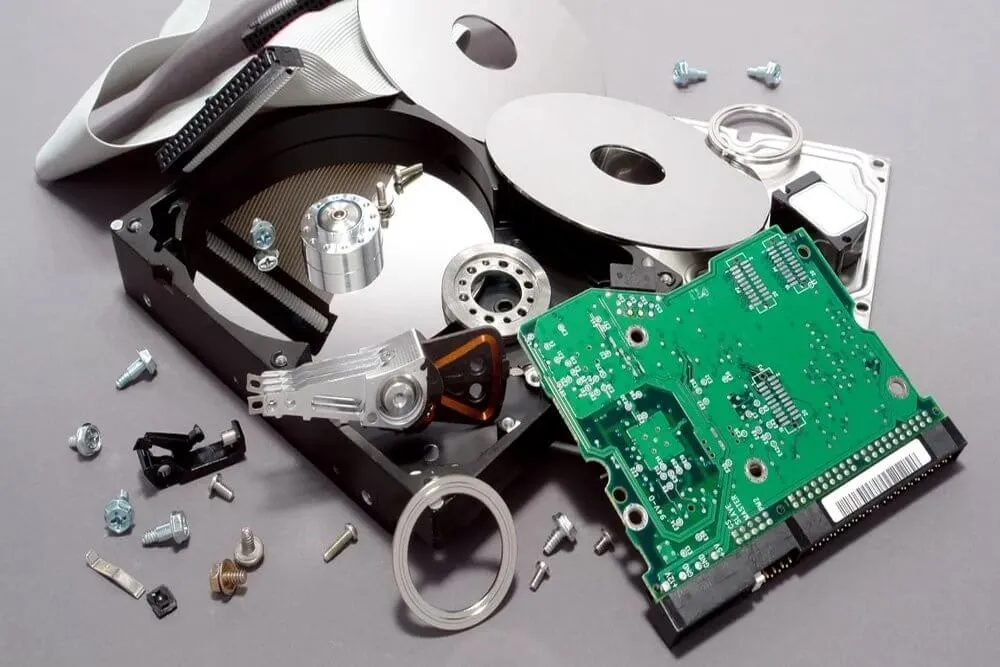
Responsible Electronic & Battery Recycling Starts Here
As the electric vehicle revolution accelerates, safe battery disposal and electronic waste management are more critical than ever. Partner with Recycle Technologies for certified e-waste and recycling solutions.
Get a Recycling Quote TodayAs these dynamic rules unfold, staying informed on car regulations is essential for businesses, drivers, and green advocates alike.